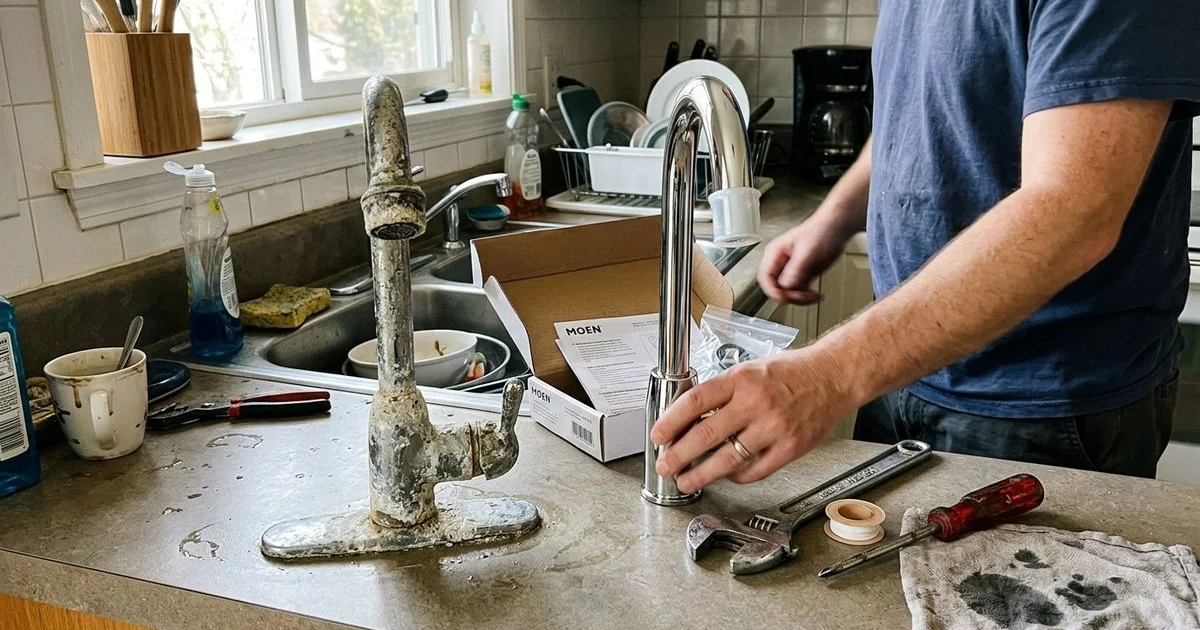
In a city with moderate water, a softener is a comfort purchase: softer laundry, fewer spots on the glasses. In Yuma, the question is different. The city rates its water at 18 to 22 grains per gallon, roughly twice the very-hard threshold. At that level, the real question is what untreated water is already costing you, and whether you want to keep paying it.
For the numbers behind that hardness, see how hard the water is here.
Signs you are already paying for hard water
Go through this list. Each item is a cost you are already paying:
- You have replaced a water heater well short of its rated life
- Your water heater pops or rumbles during heat cycles
- You own a tankless heater that has thrown scale or flow error codes
- You are on your second or third cartridge in the same faucet
- A shutoff valve has seized when you tried to turn it
- Shower heads and aerators clog with white crust within months
- The dishwasher leaves a film and the glasses stay cloudy
- Your gas bill has crept up with no change in hot water use
Three or more checks and softening is very likely worth it for your home.
Where the money goes without treatment
Water heaters first. Scale settles on the bottom of the tank and sits between the burner and the water. The steel overheats, the tank corrodes from the inside, and the heater fails years before the label says it should. A replacement heater, plus the permit, plus the cleanup if the tank let go, is the single biggest hard-water cost most households face.
Tankless units. Narrow passages and high heat make these the fastest to scale. Without treatment they need frequent descaling, and skipping it leads to costly heat exchanger trouble.
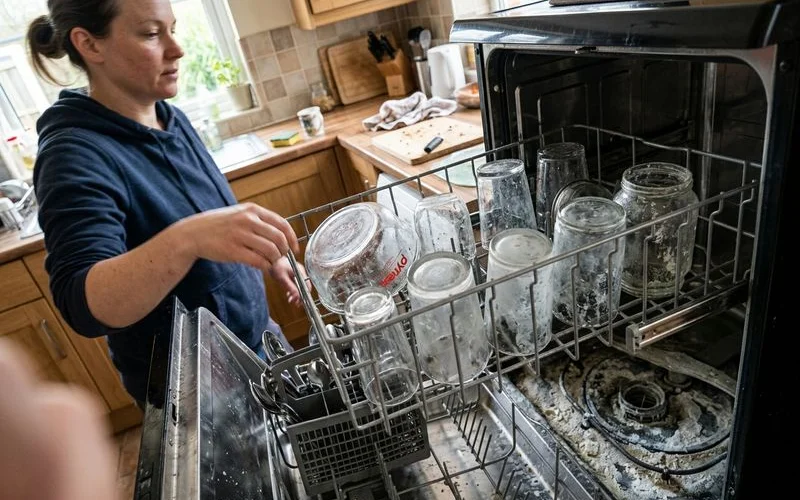
Fixtures and valves. Faucet cartridges, toilet flappers and fill valves, angle stops, and the main shutoff all depend on smooth sealing surfaces. Scale wears them down early.
Appliances and energy. Dishwasher and washer heating elements scale up too, and a crusted water heater burns longer to deliver the same hot water.
The honest ownership costs
Softening is not free, and it is better to know the upkeep up front:
| Ongoing item | Realistic expectation at Yuma hardness |
|---|---|
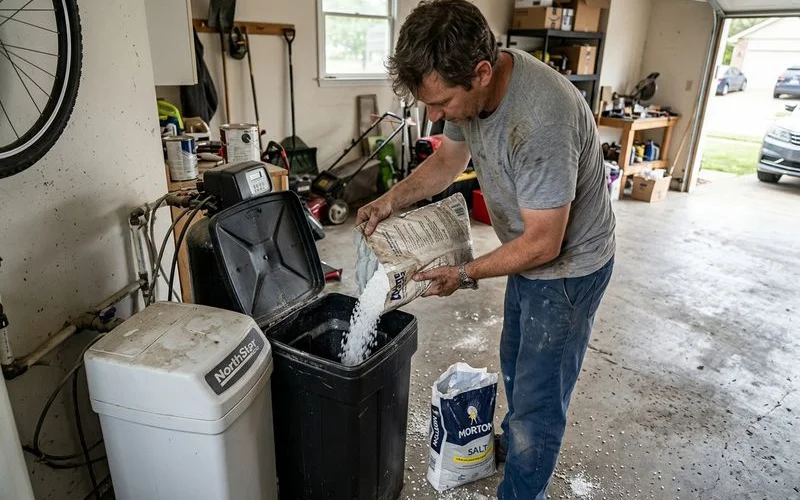
| Salt | Topping up the brine tank every few weeks for a typical family |
| Water for regeneration | Some water used each cycle, more if the unit is undersized |
| Service | Occasional control valve or resin attention over the years |
| Space | A resin tank and brine tank near where water enters the house |
An undersized unit makes every item on that list worse. It regenerates too often, uses more salt, and wears out its resin faster. Correct sizing is a big part of whether a softener pays off.
When it is a clear yes
Local expert insight
A household with a tankless heater, a heater that already failed early, or plans to stay five years or more is close to a sure yes on Yuma city water. The longer you stay, the more equipment life you recover.
When the case is weaker
- Selling soon. The next owner gets most of the benefit.
- Rarely occupied. A winter home used three or four months a year runs far less water through its equipment. A good maintenance schedule may be enough.
- Salt is not practical. If nobody can lift 40-pound bags and delivery is not available, a salt-free conditioner is a partial alternative. It reduces scale sticking but does not remove hardness.
- Your water is different. Homes outside the city system draw from groundwater with different hardness. Test before buying.
What a softener will not do
It will not make drinking water taste better (reverse osmosis does that at one tap). It will not filter chlorine or sediment (whole-house filtration handles that). And it will not remove scale already in your pipes; it stops new scale from forming.
Our water softeners and reverse osmosis service starts by testing your actual tap water. Contact Yuma Plumbing Pros for a free estimate, answered in English or Spanish at any hour, and ask about any service call fee before booking.